Bundesliga Team Analysis and Betting Stats
 Available in US
German football presents a landscape where tradition meets modern ambition, where decades-old clubs compete against projects built on contemporary investment philosophies. Understanding the eighteen teams that comprise the Bundesliga requires more than memorizing names and recent results. It demands appreciation for how each club operates, what defines their playing style, and where they sit within the broader ecosystem of German football. This knowledge transforms how you approach matches, revealing opportunities that surface-level analysis would miss.
The Bundesliga contains clubs with vastly different resources, histories, and objectives. Some chase titles with realistic expectations of success. Others aim for European qualification as the pinnacle of achievement. A significant group focuses primarily on survival, viewing each season as a battle against relegation. Still more occupy the volatile middle, capable of rising toward European places or falling toward the drop zone depending on form, injuries, and the countless variables that determine football outcomes. Recognizing where each club falls within this hierarchy, and understanding when positions might shift, provides essential foundation for engaging with German football.
What follows is not simply a list of teams with their recent records. It is an attempt to capture what makes each club distinctive, what patterns define their performances, and what factors might influence their trajectories. The analysis draws on historical context, current circumstances, and the statistical patterns that reveal themselves to patient observers. Some clubs will receive more attention than others, reflecting their importance within the betting ecosystem rather than any judgment about their inherent worth as sporting institutions.
Recognizing a club’s pedigree is easier when you explore the history and evolution of the Bundesliga and its legendary rivalries.
Analyzing Bundesliga Championship Contenders
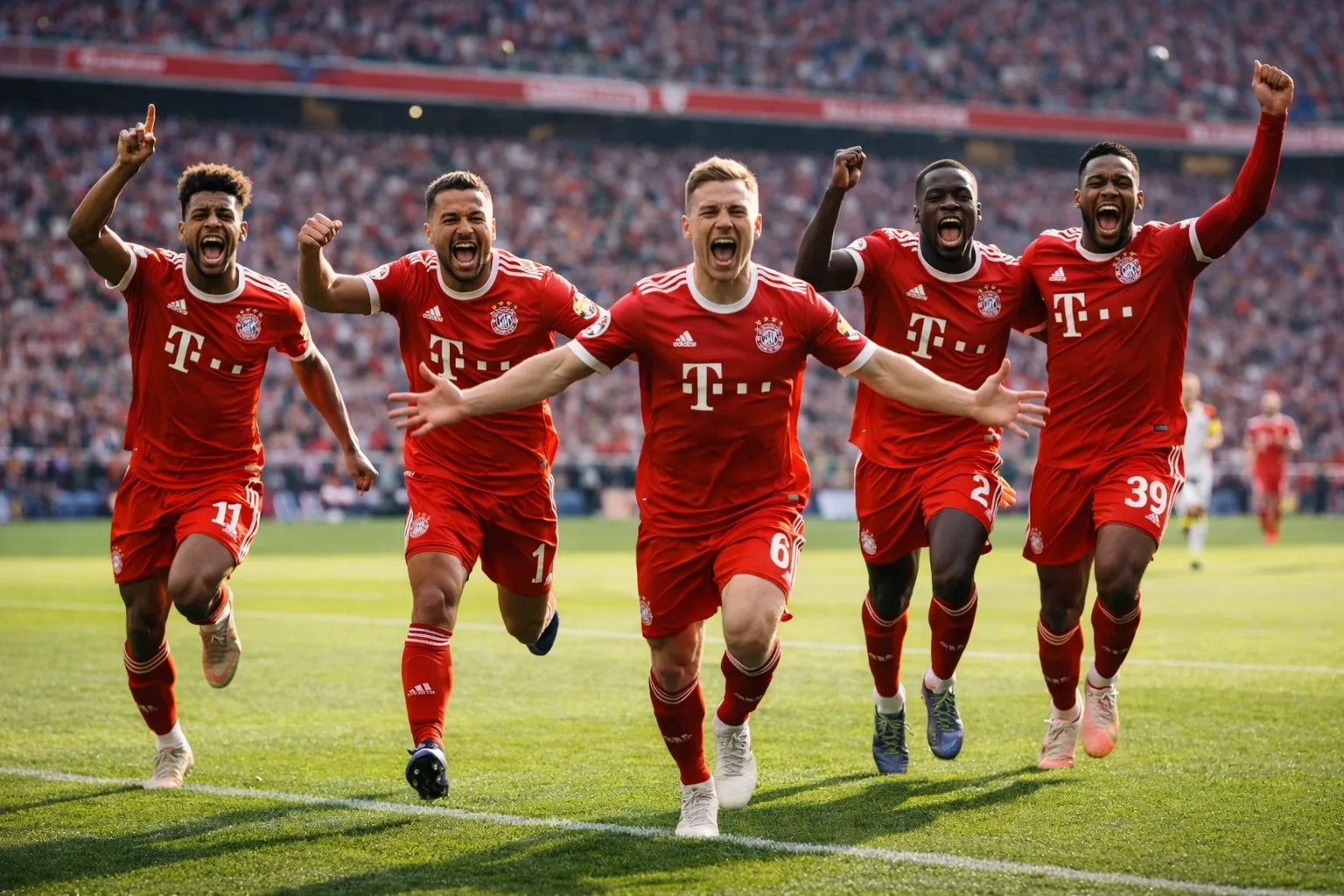
Bayern Munich exists on a plane separate from every other Bundesliga club, a reality that shapes everything else in German football. Their dominance over the past decade-plus has been so complete that title races often feel predetermined before a ball is kicked. They have won the Bundesliga more than thirty times, including stretches of consecutive titles that no other club has approached. This success stems from superior resources, excellent management, and a relentless culture that refuses to accept anything less than championship-level performance.
From a betting perspective, Bayern creates fascinating challenges. Their odds on simple match outcomes are typically so low that backing them offers minimal return for substantial risk. A single unexpected draw or defeat can wipe out months of accumulated profits from low-odds selections. Serious bettors approach Bayern matches by looking beyond the obvious. Handicap markets, where Bayern must win by specified margins, often provide better value propositions. Goal-related markets benefit from Bayern’s attacking prowess while acknowledging that even dominant teams concede occasionally.
The current squad features generational talents capable of deciding matches single-handedly. Harry Kane arrived as one of football’s most prolific strikers and has continued that production in Germany. Jamal Musiala has emerged as perhaps the most exciting young player in world football, combining technical brilliance with end product that belies his age. The supporting cast would start for virtually any other Bundesliga club, creating depth that allows Bayern to compete on multiple fronts without quality drops when rotation occurs.
Bayern’s European commitments create interesting domestic dynamics. In seasons where Champions League success seems achievable, domestic matches around European fixtures sometimes see rotation that affects performance. Identifying these spots requires attention to squad news and an understanding of Bayern’s priorities at different points in the season. When they rest key players, their quality advantage narrows, creating opportunities that would not exist otherwise.
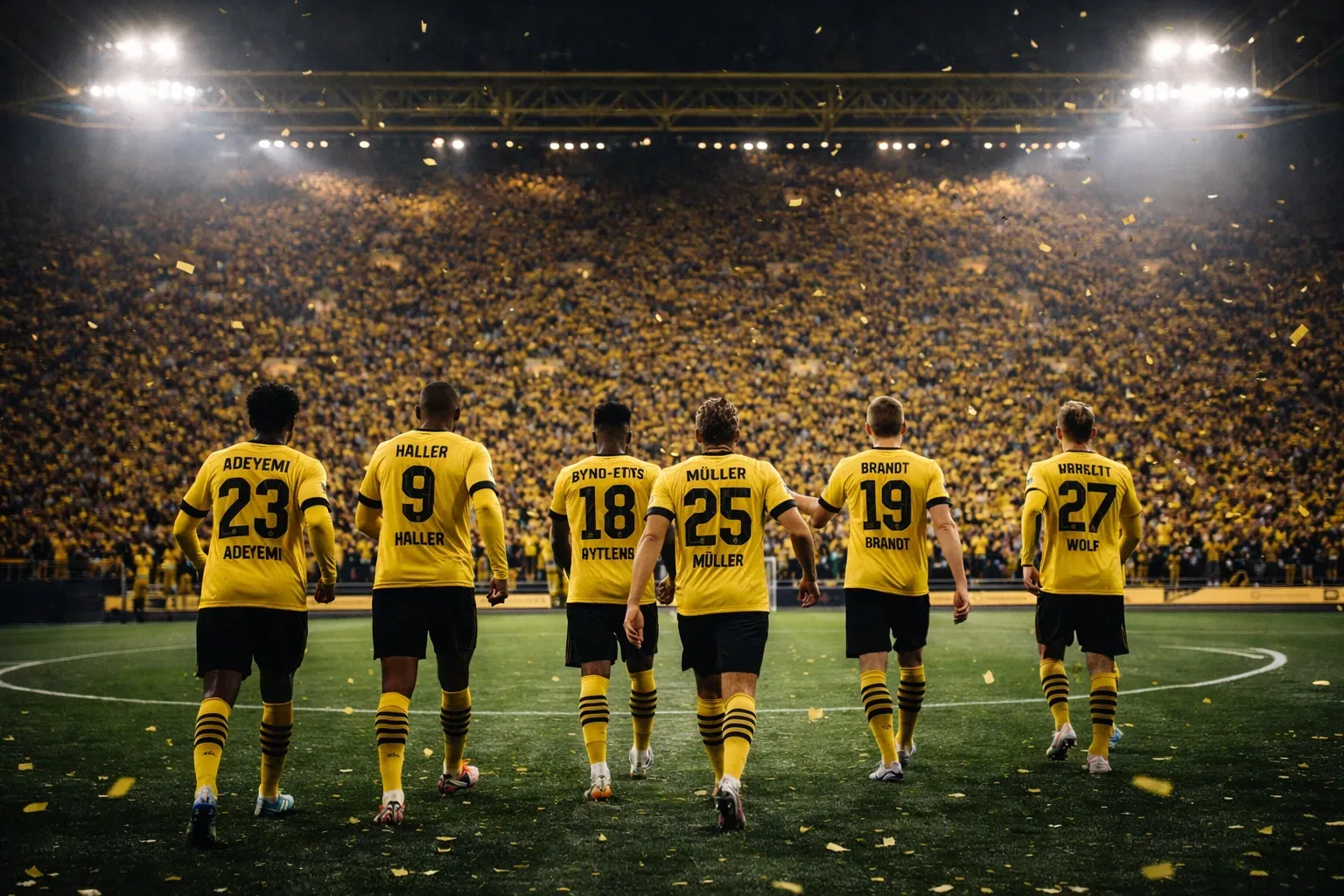
Borussia Dortmund represents something entirely different despite occasionally challenging for titles. They are defined by volatility, by spectacular highs and inexplicable lows, by entertainment that comes at the cost of consistency. Their home ground creates one of football’s great atmospheres, and that energy translates into performances that can overwhelm any opponent. Away from Signal Iduna Park, the picture becomes less clear. Defensive lapses that the home crowd’s energy might paper over become more damaging when support is absent.
The attacking philosophy Dortmund embraces makes them ideal for certain betting markets. Matches involving Dortmund tend to produce goals, whether they win, lose, or draw. Their commitment to forward play creates chances at both ends, as offensive commitment inevitably leaves spaces that opponents can exploit. Over markets, Both Teams to Score selections, and player props around goalscoring all become attractive when Dortmund feature. The unpredictability that frustrates their supporters becomes an asset for bettors who understand how to price it.
Dortmund’s striker production line deserves particular attention. The club has developed or showcased some of Europe’s best forwards before selling them at enormous profits. Robert Lewandowski, Pierre-Emerick Aubameyang, and Erling Haaland all starred at Dortmund before moving elsewhere. Current options continue this tradition, with goalscoring talent that influences how matches unfold and which markets offer value.
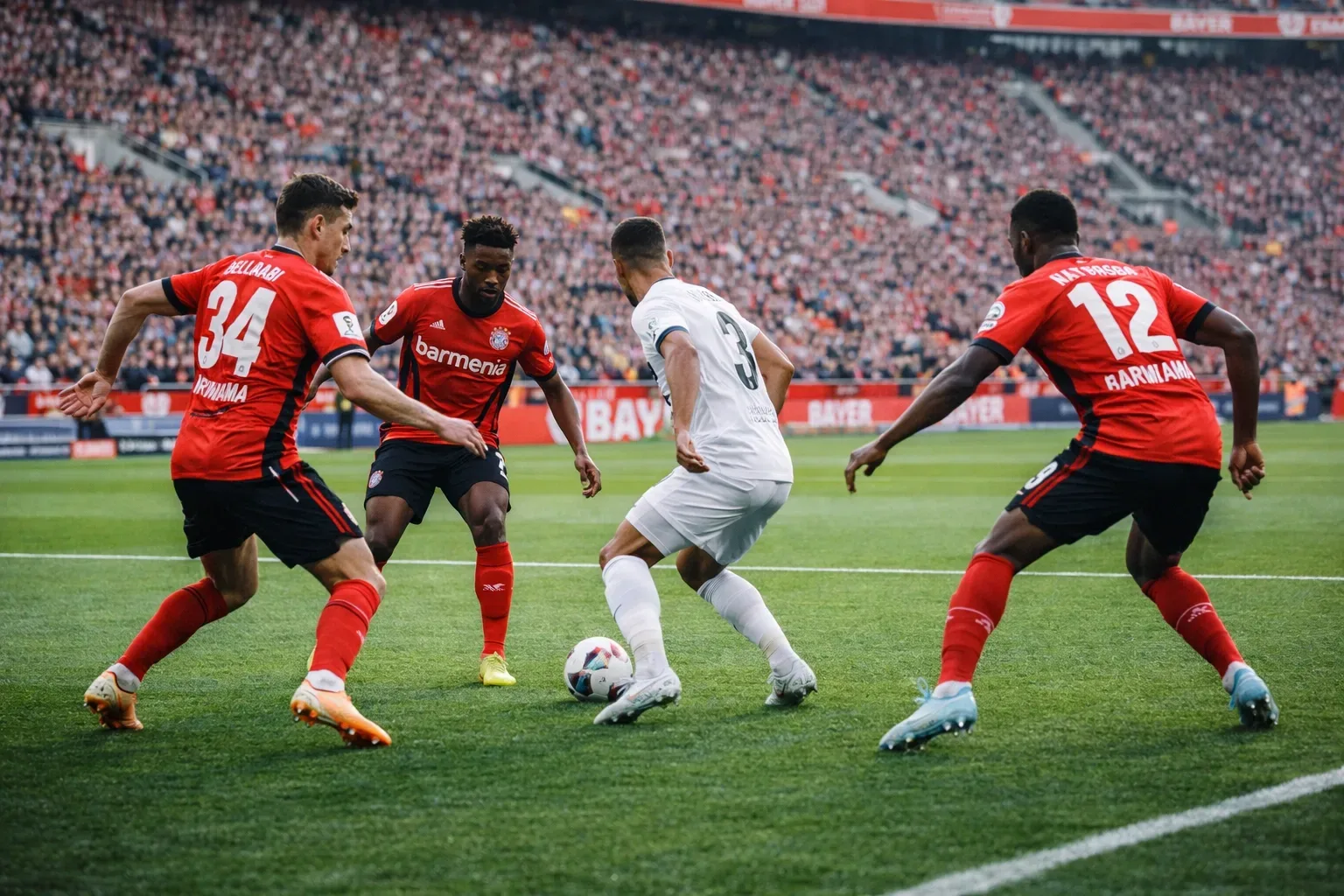
Bayer Leverkusen’s historic unbeaten season announced a new contender at German football’s summit. Under Xabi Alonso, they combined tactical sophistication with ruthless efficiency, winning matches in ways that previous Leverkusen teams never managed. Whether that season represents a permanent transformation or an exceptional peak remains uncertain. What is clear is that Leverkusen must now be treated as genuine title challengers rather than a club that occasionally punches above its weight.
Their playing style under Alonso differs from the stereotypical Bundesliga approach. They can control matches through possession and patience, but they can also transition rapidly when opportunities arise. This tactical flexibility makes them dangerous opponents in any circumstances and difficult to predict for betting purposes. Their European commitments add complexity, as balancing domestic and continental ambitions creates squad management challenges that even well-resourced clubs struggle to navigate.
The BayArena provides a home advantage that, while less dramatic than Dortmund’s, remains statistically significant. Leverkusen’s home record under Alonso has been particularly impressive, with losses at their own ground becoming rare events. This consistency creates betting value in markets that might not fully price in their home strength, particularly against mid-table opposition where bookmakers may underestimate the difficulty opponents face in that environment.
RB Leipzig brings the most modern approach to German football, backed by resources and infrastructure that provoke both admiration and resentment. Their pressing intensity ranks among the highest in European football, creating turnovers that fuel rapid attacks. Young talent flows through their system, developed either to contribute or to generate transfer revenue that funds further recruitment. The model has produced consistent competitiveness, with Leipzig regularly challenging for European places and occasionally threatening at the very top.
Their ownership structure and the controversy surrounding it affect how some approach their matches. German football traditionalists root against them almost reflexively, which can create interesting crowd dynamics when they play away. The emotional dimension adds to rather than detracts from betting considerations. Teams sometimes raise their performances against Leipzig in ways that statistics alone would not predict, while Leipzig themselves must navigate being the villain in their own league.
Leipzig’s coaching has seen significant turnover despite consistent on-field results. The club’s ability to maintain competitive levels across different managers suggests systemic strengths that transcend individual appointments. This stability provides comfort when analyzing their matches, as their playing patterns tend to persist even when new coaches arrive with different backgrounds and philosophies.
European Qualification Hopefuls
Below the title contenders sits a group of clubs whose ceiling is European qualification rather than championship challenges. These clubs matter enormously for betting purposes because they generate matches where outcomes are genuinely uncertain, where odds reflect reality rather than overwhelming favoritism, and where informed analysis can identify value that casual observers miss.
Eintracht Frankfurt’s Europa League triumph demonstrated what this tier of German football can achieve. Their subsequent Champions League campaign, while less successful, provided European experience that changes how clubs operate. Frankfurt plays entertaining football that produces goals and drama in roughly equal measure. Their home supporters create atmospheres that rival Dortmund’s, and that energy translates into performances that regularly exceed what their squad quality might suggest.
When Frankfurt faces clubs of similar standing, the matches become genuinely unpredictable. Neither side possesses the overwhelming quality that settles contests early. Games tend to be open, with both teams creating chances and taking risks that generate entertainment and betting opportunities. Understanding Frankfurt’s tendencies, particularly their ability to compete in big matches while occasionally stumbling against lesser opposition, helps calibrate expectations appropriately.
Frankfurt’s ability to attract and develop attacking talent has improved their competitive position. Players who might have bypassed German football entirely now see Frankfurt as a viable destination, increasing squad quality in ways that translate to on-field results. Their recruitment strategy emphasizes players with specific skill sets that fit their tactical approach, creating coherent teams rather than collections of individually talented players.
SC Freiburg represents perhaps the purest expression of sustainable club management in the Bundesliga. Under Christian Streich’s remarkably long tenure, they developed a clear identity that persists regardless of personnel changes. They rarely get blown out because their defensive organization limits damage even against superior opposition. They rarely blow anyone out because their attacking approach emphasizes patience over flair. This predictability has value precisely because it differs from the volatility that characterizes so many Bundesliga clubs.
Betting on Freiburg often means betting against variance. In matches where bookmakers price in the possibility of extreme outcomes, Freiburg’s tendency toward moderate results creates value. Their home record particularly reflects this pattern, with close matches far more common than runaways in either direction. Understanding this characteristic helps identify situations where odds exaggerate the likelihood of outcomes that Freiburg’s approach makes improbable.
The Europa-Park Stadion, Freiburg’s relatively new home, has maintained the positive atmosphere that characterized their previous ground. The move to modern facilities has not disrupted the patterns that make Freiburg distinctive, suggesting these characteristics reflect club culture rather than specific circumstances that might change with new environments.
VfB Stuttgart returned to prominence with attacking football that captured neutral attention. Their young squad plays with freedom that produces spectacular moments alongside occasional defensive naivety. The entertainment value is undeniable, but so is the inconsistency that comes with relying on youthful exuberance. Stuttgart matches tend toward high scores, making them attractive for goal-related markets while offering less predictability in outcomes.
Stuttgart’s academy has produced remarkable talent that either contributes to the first team or generates significant transfer revenue. This production line creates both opportunities and challenges, as key players depart regularly for larger clubs. The resulting squad turnover affects continuity but also ensures fresh energy arrives each season. Understanding where Stuttgart sits in their development cycle helps assess whether current expectations align with squad capabilities.
Wolfsburg and Hoffenheim occupy similar positions, with significant resources relative to their status but without the sustained success needed to challenge at the very top. Both clubs can compete with anyone on their day while also capable of performances that disappoint their expectations. Their matches against each other and against similar opposition often produce close contests where small margins determine outcomes.
Wolfsburg’s Volkswagen backing provides financial stability that most Bundesliga clubs cannot match, yet this advantage has not translated into consistent competitiveness at the highest level. The disconnect between resources and results creates interesting betting situations, as markets sometimes price Wolfsburg based on what they should achieve rather than what they typically deliver. This gap between expectation and reality offers opportunities for attentive observers.
The Volatile Middle
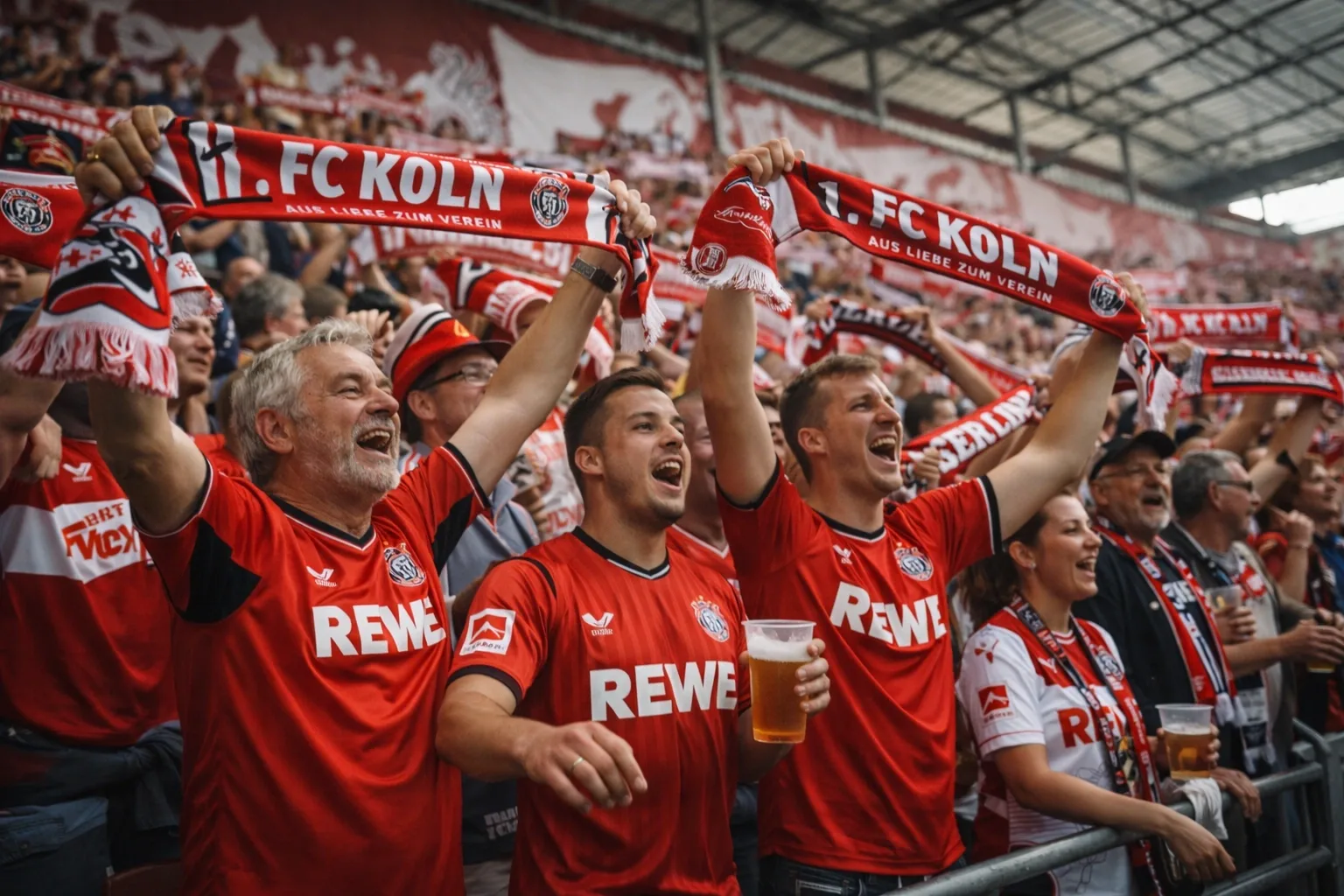
Mid-table in the Bundesliga is where analytical edges often prove most valuable. These clubs receive less attention from bookmakers and public alike, creating pricing inefficiencies that informed observers can exploit. The teams occupying these positions vary year to year, but certain clubs return repeatedly, their ceilings and floors both well-established.
Union Berlin’s rise from second-division obscurity to European competition ranks among German football’s most remarkable recent stories. Their home ground generates an atmosphere that intimidates opponents despite modest capacity compared to other venues. The home and away split for Union is among the most dramatic in the league, with completely different betting approaches warranted depending on venue. At home, Union competes with anyone and frequently wins matches they should not. Away, the picture becomes far less certain.
The club’s identity rests on intensity and collective effort rather than individual brilliance. This approach creates consistency in some respects while limiting ceiling in others. Union will not produce magical moments from world-class talent because they do not possess such players. What they will produce is organized, committed performances that frustrate opponents expecting easier encounters.
Mainz 05 exemplifies the survival-focused club that occasionally exceeds expectations without ever genuinely threatening to become something more. Their consistency in avoiding relegation while rarely challenging for European places creates a predictable range of outcomes. This predictability itself has value, as markets occasionally price in possibilities that Mainz’s historical patterns suggest are unlikely.
The club’s approach emphasizes defensive organization and efficiency rather than the attacking flair that characterizes other Bundesliga teams. This makes Mainz matches different from the typical high-scoring German encounter, creating value in under markets that might not exist for other fixtures. Understanding this tactical distinction helps identify situations where generic league tendencies do not apply.
Werder Bremen returned to the top flight with ambitions that extend beyond mere survival. Their large stadium and established fan culture provide advantages that many promoted clubs lack. Bremen’s Bundesliga pedigree means they approach matches with confidence that newly promoted clubs often cannot muster. Their trajectory bears watching, as clubs with their resources and history can rise quickly when circumstances align.
The Weserstadion creates an atmosphere that supports Bremen’s ambitions. Home matches draw crowds that smaller clubs cannot match, and that support translates into performances that consistently exceed away results. This home advantage has historical backing and provides a foundation for Bremen’s establishment efforts.
Borussia Monchengladbach carries a legacy that current performances do not quite match. Their history includes multiple championships and European success, memories that create expectations their present squad struggles to meet. The gap between past glory and current reality affects how supporters respond to results, creating emotional volatility that can influence performances in ways statistics might not capture.
Relegation Candidates
Every Bundesliga season features a battle at the bottom that carries stakes matching or exceeding the title race. The financial consequences of relegation are severe, potentially setting clubs back years in their development. This desperation creates matches where normal competitive dynamics shift, where teams play with freedom born from having nothing to lose or with tension born from having everything at stake. These emotional factors produce unpredictable results that pure quality assessments would not anticipate.
Promoted clubs face the most obvious survival challenges, though their fate depends heavily on the specific circumstances of their promotion. Clubs ascending from the 2. Bundesliga sometimes have resources and infrastructure that allow immediate establishment in the top flight. Others arrive without the quality needed to compete and spend the entire season battling the inevitable. Distinguishing between these scenarios early helps identify betting opportunities as markets adjust to reality.
Clubs in long-term decline face different challenges than newly promoted sides. Their supporters remember better times, creating pressure that complicates performances and affects morale. Their squads often combine aging veterans past their peak with young players not yet ready for top-flight competition. The combination produces inconsistency that can swing matches dramatically in either direction.
The playoff position, occupied by the team finishing sixteenth, creates unique dynamics late in the season. Clubs just above the direct relegation places often play with particular intensity and determination, knowing that one position could mean the difference between survival and a playoff battle. This pressure affects performances in ways that inform bettors should anticipate and price appropriately.
Pattern Recognition Across the League
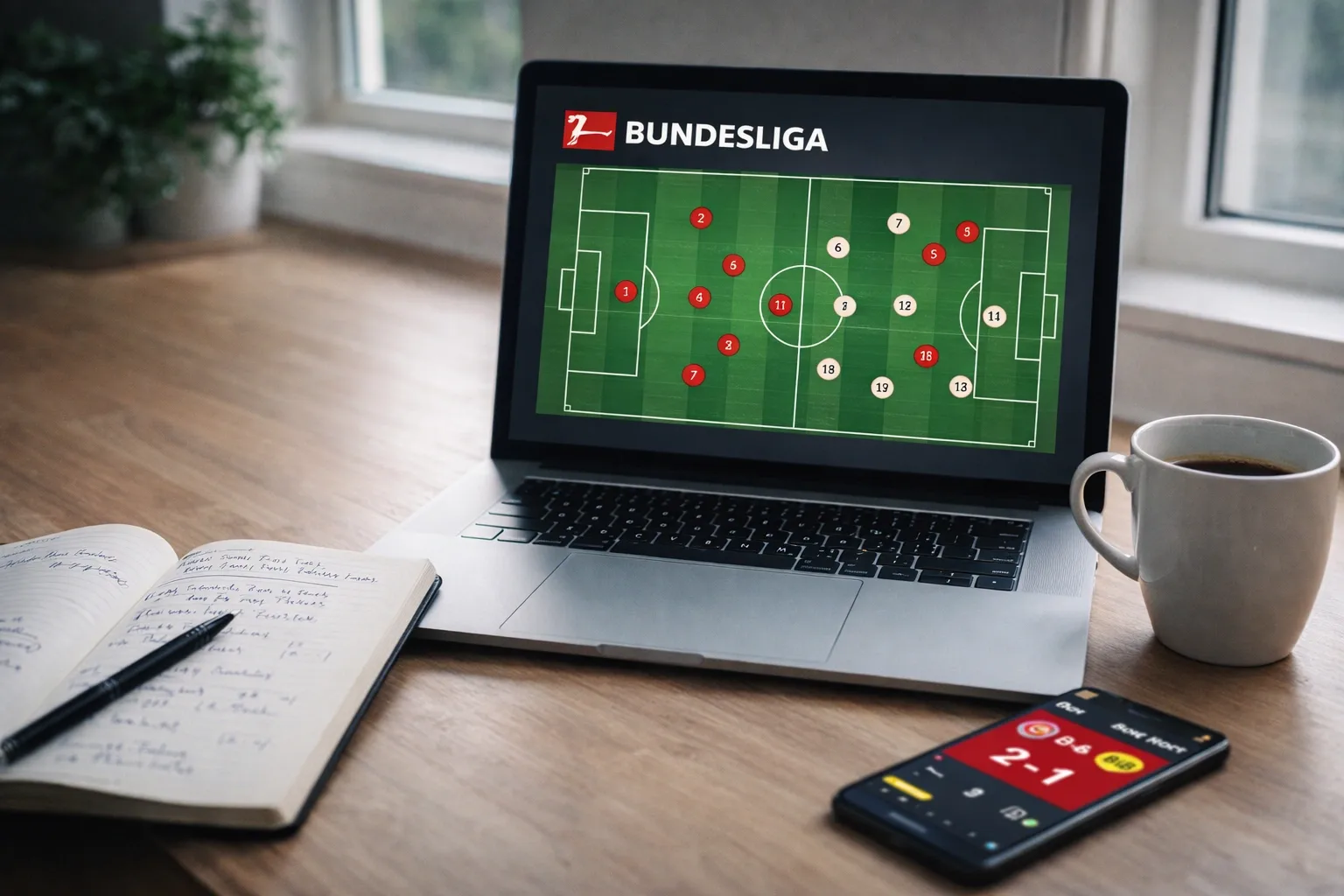
Certain patterns persist across Bundesliga teams that inform analytical approaches. Home advantage remains significant throughout the league, though its magnitude varies by club. Teams with particularly passionate supporter bases show larger home and away splits than those with more restrained followings. Understanding these variations helps price individual fixtures more accurately than applying league-wide averages uniformly.
The Bundesliga’s attacking nature applies across quality levels. Mid-table clashes produce goals at rates that would surprise observers accustomed to more defensive leagues. This characteristic makes goal-related markets attractive throughout the fixture list, not just when elite attacking teams feature. The cultural preference for forward play transcends individual clubs, creating league-wide tendencies that persist season after season. This consistency provides a foundation for analytical approaches that rely on historical patterns.
European commitments affect differently positioned clubs in distinct ways. Bayern’s squad depth allows them to compete on multiple fronts without significant quality drops. Clubs like Frankfurt or Union Berlin, when they qualify for European competition, face more difficult squad management challenges. The Thursday to Sunday turnaround for Europa League participants creates systematic disadvantages that show up in historical performance data.
Injury patterns affect some clubs more than others based on squad depth and tactical dependency on specific players. Clubs with defined playing styles built around particular individuals suffer more when those players miss matches. Identifying these dependencies and tracking injury news allows bettors to react to information before markets fully adjust. The clubs with deeper squads can absorb absences that would cripple others.
The winter break creates predictable uncertainty that affects all clubs. The first matches back produce increased variance as teams return at different preparation levels. Some clubs use the break to integrate new signings, adding unpredictability to their initial performances. Understanding how individual clubs have historically handled the winter break transition helps anticipate which teams might struggle or thrive when competition resumes.
What emerges from comprehensive team analysis is not certainty but calibrated expectations. Each club presents distinct characteristics that affect how their matches tend to unfold. Some produce goals reliably. Others grind out tight results. Some transform depending on venue. Others maintain consistency regardless of where they play. Mapping these characteristics across the eighteen teams creates a framework for approaching any Bundesliga fixture with informed expectations rather than hopeful guessing. The effort required to develop this deep knowledge rewards those willing to invest it, creating advantages that translate into better betting decisions over time. Those who understand German football deeply find opportunities that casual observers simply cannot see.
Stay ahead of the bookmakers with exclusive analysis from the leading Bundesliga betting resource.
